The Indian Nose in a nutshell
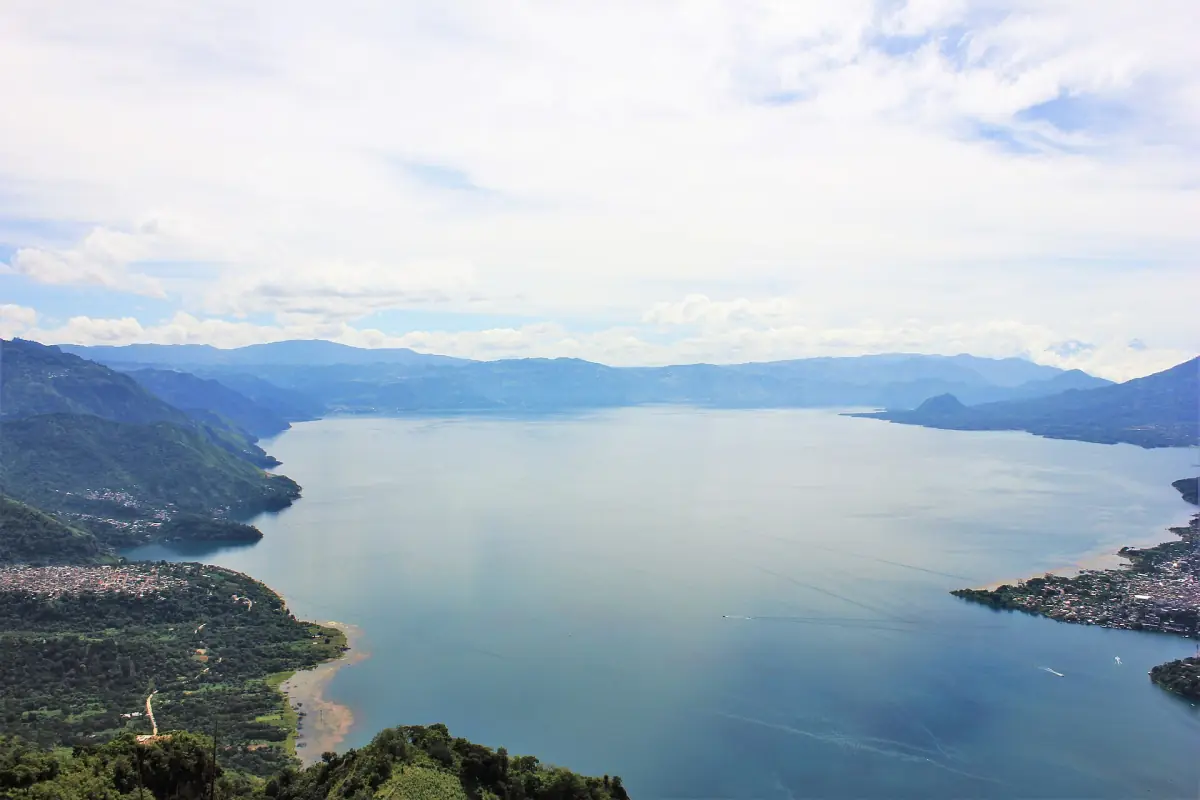
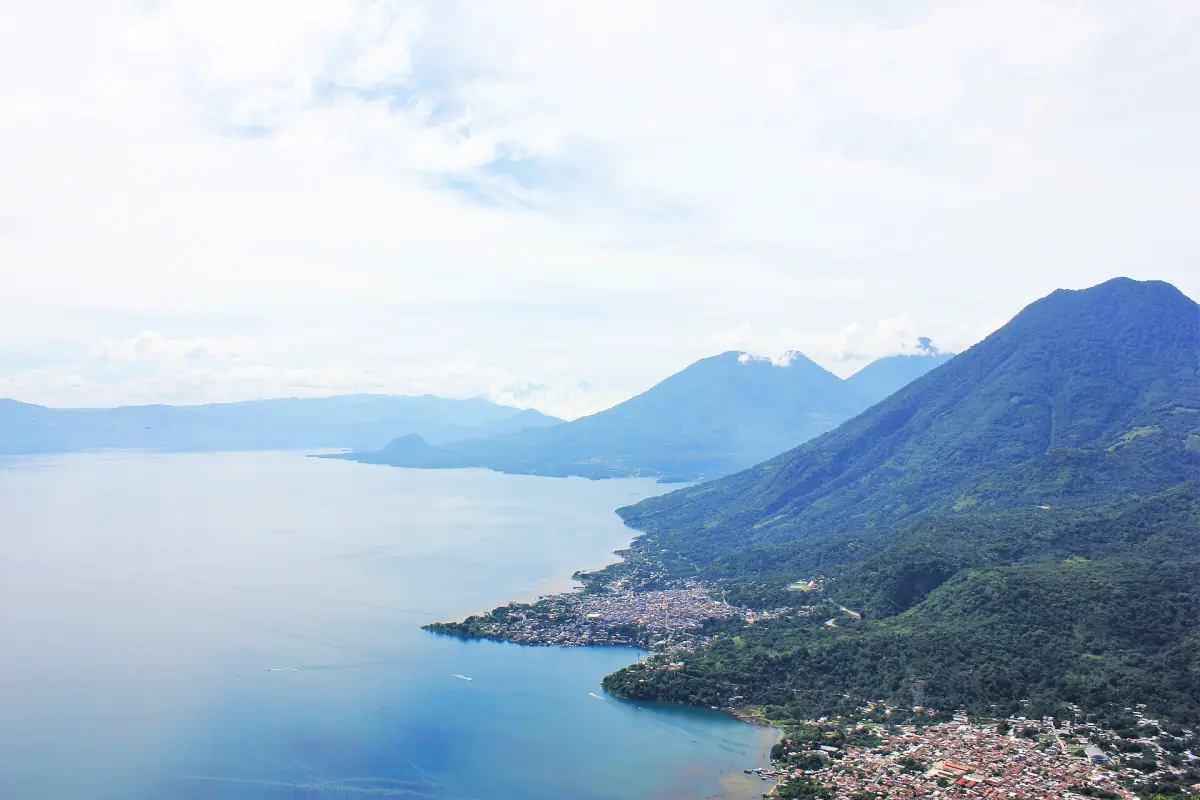
The Indian Nose is the English name for Rostro Maya, the Maya Face. A local tourism portal describes it as the profile of a reclining person's face and gives an elevation of 2,200 m. That figure comes from the portal, not from a surveyed summit map. People climb it before dawn to watch the sun rise over the lake and the volcanoes.
There is more than one way up, and the walking times you read online belong to different routes. This page sorts them out. It is an independent guide, not run by any landowner, community, guide association or tour company, and the fees and times below change.
Routes and walking times
Different starting points, different numbers.
| Start | Time given | Where it comes from |
|---|---|---|
| San Juan La Laguna, on foot | About 2 hours | A local tourism portal |
| Santa Clara, sunrise program | 30 to 45 minutes of ascent | A tour operator's listing for a trip on 3–4 October 2026 |
| Other starts | Ask your guide | The start depends on the operator |
Do not plan around a single "Indian Nose time". A short ascent from Santa Clara and a two-hour walk from San Juan are different hikes. Your guide or operator can tell you which one you are booking, how long the return takes and where you are picked up. San Juan La Laguna has its own page, and Panajachel is the usual base for early pick-ups.
Our picks: Indian Nose tours
Both include transport and a sunrise hike. Meals and entry fees differ, as described below.
Hand-picked tours, booked through GetYourGuide. Prices are indicative starting prices in US dollars (as of October 2026). Tap a tour for live availability and the current price in your currency.
Indian Nose sunrise hike with pickup
Shared minivan there and back, a local guide, entry, plus coffee and a hot chocolate. Water, a torch and tips are not included.
Check availability →Indian Nose sunrise hike from San Pedro or Panajachel
Transport from San Pedro or Panajachel and the hike to the viewpoint. Meals are not included, and the listing does not mention entry fees.
Check availability →Indian Nose sunrise tours
Guided sunrise hikes to the Indian Nose and combined lake trips, with live prices and availability.
Fees and what a package includes
Fees depend on who you go with and where you start. Ask whether the entrance is part of the price, whether a guide is included and whether transport from your hotel is covered. Compare packages by what they include, not by the lowest figure.
One dated example shows what such a package can look like. A tour operator advertised Rostro Maya plus Cerro Tzankujil for 3–4 October 2026 at Q310 per person. The Rostro Maya entrance was included. The Tzankujil entrance was not. A deposit of Q200 reserved a place, the balance was due 2 days before the trip, and the page mentioned card payment without a surcharge. That date has passed, and the Q310 is a package price, not the cost of the entrance. Treat it as an example of the questions to ask, and see tours compared.
Safety and guides
What the official advice says in 2026.
Qualified local guides
The US State Department recommends qualified local guides for trails and volcanoes, because of robberies and because help is hard to reach. Guatemala is at Level 3, Reconsider travel (advisory of 12 March 2026).
Police or licensed guides
The German Foreign Office, in advice valid since 20 August 2026, recommends police or licensed guides for volcano visits and advises against other hikes alone. If licensed guides decline to go, it advises dropping the plan.
A recommendation, not a rule
These are recommendations, not a legal requirement to hire a guide. They still matter more than an old blog post that describes an easy solo hike.
No night hikes alone
A sunrise start means walking in the dark. Do not do it unaccompanied. Go with a guide or an operator who knows the route and the current conditions.
If you want a summit hike elsewhere in the country, the Antigua sister site covers Acatenango and Pacaya, and its safety page explains the official advice in more detail.
Planning the morning
Check the season first: the tourism institute describes November to April as the drier months, but a dry month does not guarantee a clear horizon. Clouds can hide the volcanoes, and the rainy season brings wet trails. Our weather page explains the pattern.
Bring layers, since it is cool before sunrise, a headlamp or phone light, water and cash in small bills. Wear shoes with grip. Return to your base for breakfast, then spend the afternoon in a village by boat. Getting there has the boat details.
Indian Nose: frequently asked questions
Do I need a guide for the Indian Nose?
There is no legal requirement on record, but the US State Department recommends qualified local guides on trails, and the German Foreign Office recommends police or licensed guides for volcano visits and advises against hiking alone. A guided option is the safer choice.
How long is the hike?
It depends on the route. A local portal gives about 2 hours on foot from San Juan La Laguna, and one operator's sunrise program lists a 30 to 45 minute ascent from Santa Clara.
How much does the Indian Nose cost?
Fees depend on the operator and start. A dated example from October 2026 was Q310 per person for Rostro Maya plus Cerro Tzankujil, with the Rostro Maya entrance included and the Tzankujil entrance excluded. Ask what is included in any package.
How high is the Indian Nose?
A local tourism portal gives 2,200 m. It is not a surveyed summit figure.
When is the best time for sunrise?
November to April is the drier season, but clear views are not guaranteed. Cloud can cover the horizon in any month.